CDN marketing often highlights the adoption of cutting-edge technologies to validate premium pricing. However, behind the scenes, it's not uncommon to find the utilization of obsolete technologies, coupled with a noticeable absence of personalized features that have gained prominence in recent years.
The Allure of HTTP Streaming
HTTP streaming, also known as adaptive streaming, is a technique that enables the delivery of multimedia content over conventional HTTP (Hypertext Transfer Protocol) connections. This method has gained substantial popularity due to its compatibility with existing web infrastructure, making it suitable for various platforms, devices, and network conditions. Prominent HTTP streaming protocols include HLS (HTTP Live Streaming) and DASH (Dynamic Adaptive Streaming over HTTP), which dynamically adjust video quality based on the viewer's network capabilities.Reevaluating the Role of CDNs
While CDNs have long been regarded as indispensable for robust content delivery, the importance of a dedicated CDN for HTTP video streaming, especially for VOD, might be overstated. Let's explore this notion: VOD and HTTP Streaming: Video on demand delivery, coupled with HTTP streaming, inherently follows a segmented approach. Content is divided into smaller segments, which can be individually fetched by viewers. This segmentation aligns with the fundamentals of CDNs, as they specialize in efficiently distributing content in smaller, manageable parts. HTTP Caching: CDNs, in the context of VOD, primarily function as HTTP cache servers. They store frequently requested content segments, effectively reducing the load on the origin server. However, when dealing with VOD content, which is often not as time-sensitive as live streaming, the necessity of instantaneous access to content diminishes. Caching Latency: While CDNs boast a network of geographically distributed edge servers, latency can still be a concern, particularly for less popular content. Accessing cached content from a nearby edge server can still result in additional latency compared to fetching content directly from the origin server. Simplicity and Ownership: Opting for direct origin server delivery might offer a simpler content distribution model. It allows content providers to maintain complete control over their content delivery without relying on third-party CDNs. Cost Considerations: Utilizing a CDN involves costs related to data transfer and storage. For certain scenarios, especially when dealing with less frequent content access, the financial advantages of bypassing CDNs can be noteworthy.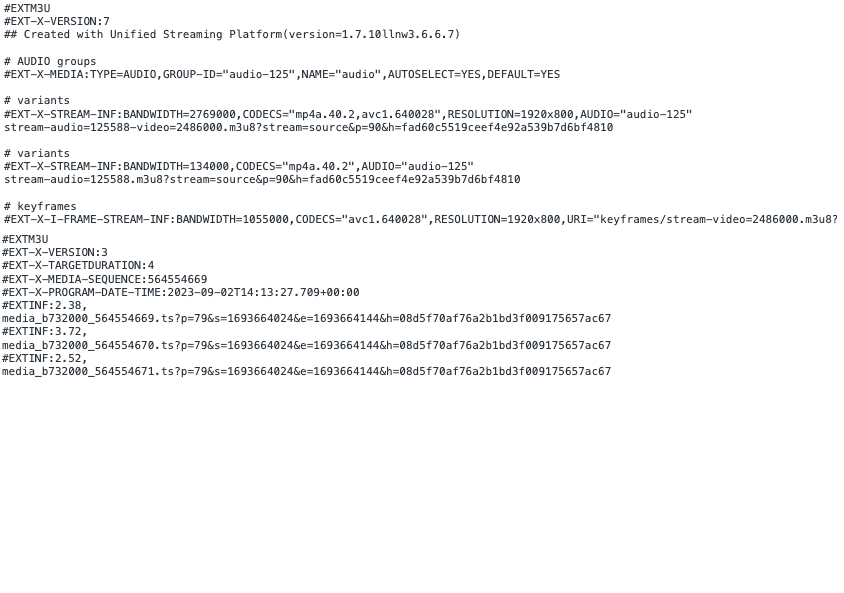
'manifest.m3u8' of a 'premium' CDN for a 'premium' online video platform in 2023: Legacy HLS (TS), 2015/end-of-support packager, keyframe interval mismanagement, no failover, static manifest, no buffering control, no stream protection
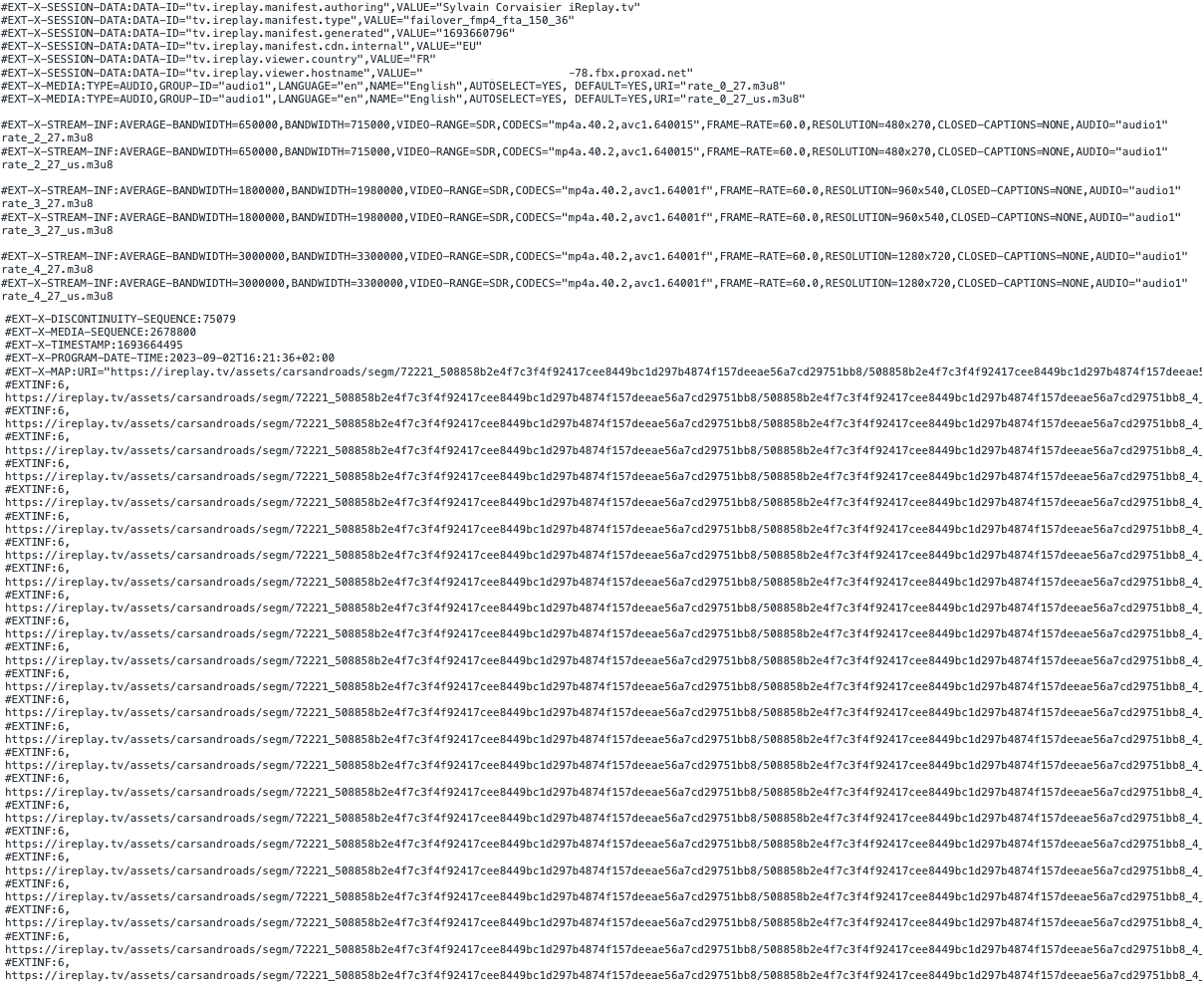
No CDN, Modern HLS (fMP4), best and up-to-date HLS packager, proper keyframe management, HLS failover, per-viewer dynamic manifest manipulation, buffering control, stream protection with unique token